As an avid traveller to Japan, and soon to be temporary resident, I have always been fascinated by the country’s history. In fact, it was the story of the Shinsengumi, the rag-tag group of samurais who rose in fame and were instrumental in defending bushido in the wake of the Meiji restoration, that piqued my curiosity and subsequently my ardent affection for the country to begin with. Yes blame it all Hakuoki, the otome game which romanticised the Shinsengumi’s struggle and thus sucked me into this wormhole. Since 2014, I have travelled to Japan 12 times, to the point that Theo who often struggles to adapt to any new environment has come to call the country ‘home’.
I’ve thought of many ways to chronicle my travels that captures the essence of what we have experienced, would not be too tedious to upkeep, and remains engaging and useful for readers. And I landed on stories. It was stories from the past that drew me to Japan and based on my travel experiences, places that I uncovered their history are usually those that I have the fondest memories of.
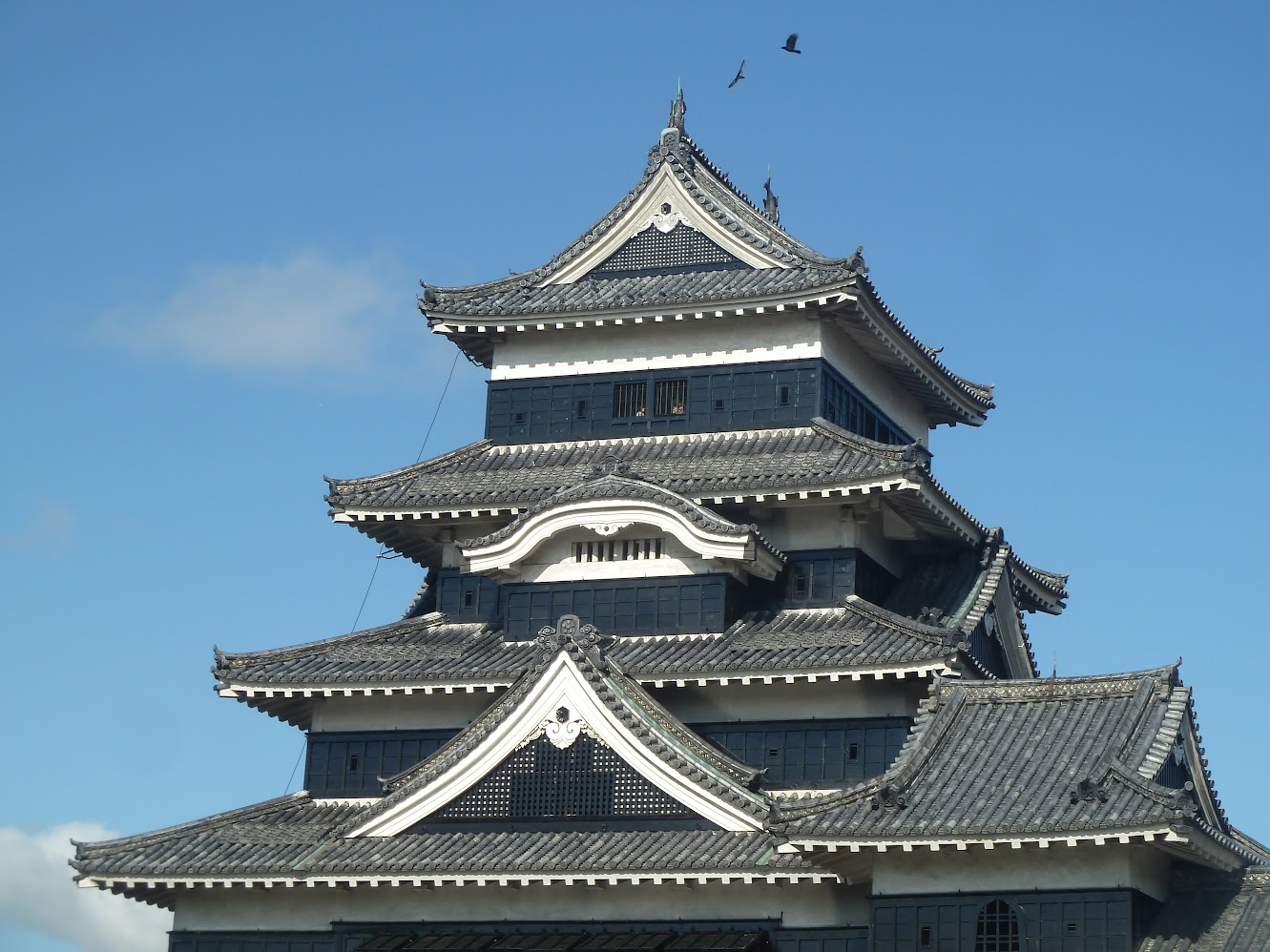
The first place I want to write a story about is Matsumoto, specifically Matsumoto Castle. I first visited this city in 2014 and again in 2019. Though it is registered as a city with a population of slightly more than 200,000, Matsumoto gives the feeling of one returning to an orderly and clean home. From Matsumoto station (the entrance), it is an easy 15 minutes stroll through the city and commercial center (living and dining room) in agreeable weather, whether in summer or winter, to be rewarded by the majestic presence of the “Crow Castle” and the park surrounding it (the garden).
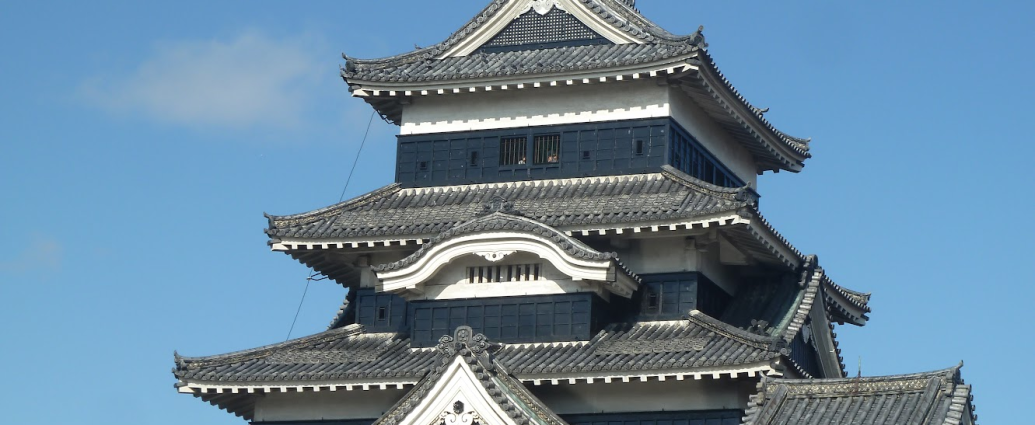
Matsumoto Castle Park is open to public all year round, making for a great place to find peace and serenity after a day’s work as one admires the five-tiered main keep (tenshukaku) with its striking black exterior walls which earned it its nickname. Built between 1504-1509 during the Sengoku period, Matsumoto Castle remarkably escaped destruction in WWII, preserving its original timbers and structural genius, standing today as one of Japan’s oldest surviving castles and a designated National Treasure of Japan.
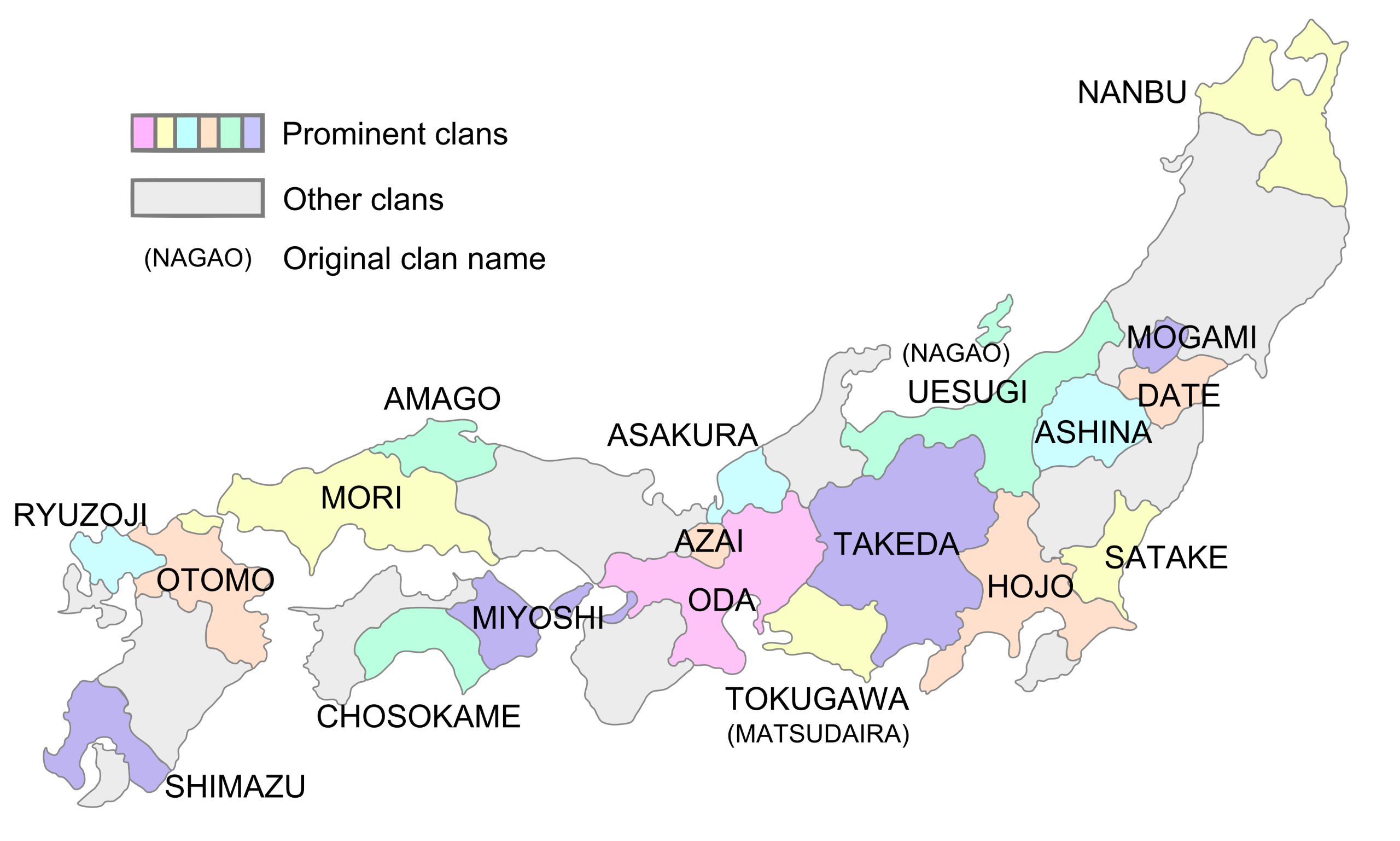
Since the castle was constructed during the turbulent Sengoku period, it makes sense to understand how the land was divided and controlled by the different clans (see map) at that time.
In 1504, a retainer of the Ogasawara family named Shimadachi Sadanaga built the Fukashi Castle to defend the small township of Fukashi-go. The Ogasawara family controlled the area for many years.
Then in 1550, Takeda Shingen attacked and easily drove the Ogasawara clan north. He took over the Fukashi Castle, establishing it as his regional headquarters and expanded the fortifications. The Takeda family was subsequently wiped out by Oda Nobunaga in 1582 and the area came under the control of Uesugi Kenshin temporarily.
Shortly after, the Ogasawara family managed to wrest the control of the castle back. To mark their return to the area, they gave the region a new name “Matsumoto”. Matsumoto means ‘base of the pine tree’ referencing the strength and vitality of the dominant natural plant in Japan.
Unfortunately, the Ogasawara family did not remain in Matsumoto for long. In 1590, under the orders of Toyotomi Hideyoshi, who took over the reins after Oda Nobunaga’s death making him the most powerful daimyo at that time, they were relocated to eastern Japan.
Hideyoshi then granted control of Matsumoto to his new ally Ishikawa Kazumasa who had deserted Tokugawa Ieyasu. Kazumasa believed that Ieyasu was foolhardy to resist the stronger Toyotomi army and his defection caused Ieyasu much trouble since he had been privy to much of his military strategy. It was particularly bittersweet that the Ogasawara clan were denied their homeland in favour of a deserter. Nonetheless, under their control, Kazumasa and his son Yasunaga oversaw the expansion and completion of the Great Keep and other buildings.
Subsequently at the decisive Battle of Sekigahara in 1600, the Ishikawa family switched alliance and fought on the side of Ieyasu Tokugawa to secure their territory and position, crushing the remnants of Oda/Toyotomi’s armies which brought about a new era. Clearly, Hideyoshi’s gamble on the Ishikawa family did not pay off.
During the Edo period, Matsumoto Castle was governed by 23 successive lords from six families and served as the administrative center of Matsumoto domain. The Ishikawa family were briefly succeeded by the Ogasawara when their rights were stripped following a tax scandal (ref Okubo Nagayasu). However, control of the castle was yet again transferred when the presiding Ogasawara lords died in the Siege of Osaka. Perhaps the pine tree had chosen neither family as its ruler as they did not display strength in integrity nor military prowess.
Due to its strategic location, lords of Matsumoto were provided large stipends measuring between 60,000 and 80,000 koku per year. To provide some context, 1 koku was equivalent to 48 gallons of rice or what would be enough to feed a person for a year. In those days, it would be the equivalent of USD 40millon! Daimyos who were loyal to the Tokugawa shogunate would be relocated here. The Toda family controlled the domain for the longest period of more than 150 years. Clearly, the family had been found worthy.
In 1868, the Matsumoto domain was abolished following the restoration of the imperial rule. The last lord Toda Mitsuhisa made the decision to ally with the emperor, surrendering his territory and position as daimyo in 1869. In exchange, he was appointed governor of the region. Finally, in the autumn of 1870, entry to Matsumoto Castle was granted to regular citizens for the first time, bringing a symbolic end of a samurai era at Matsumoto Castle. Why did Mitsuhisa choose to side with the emperor – was it cowardice or strategic?
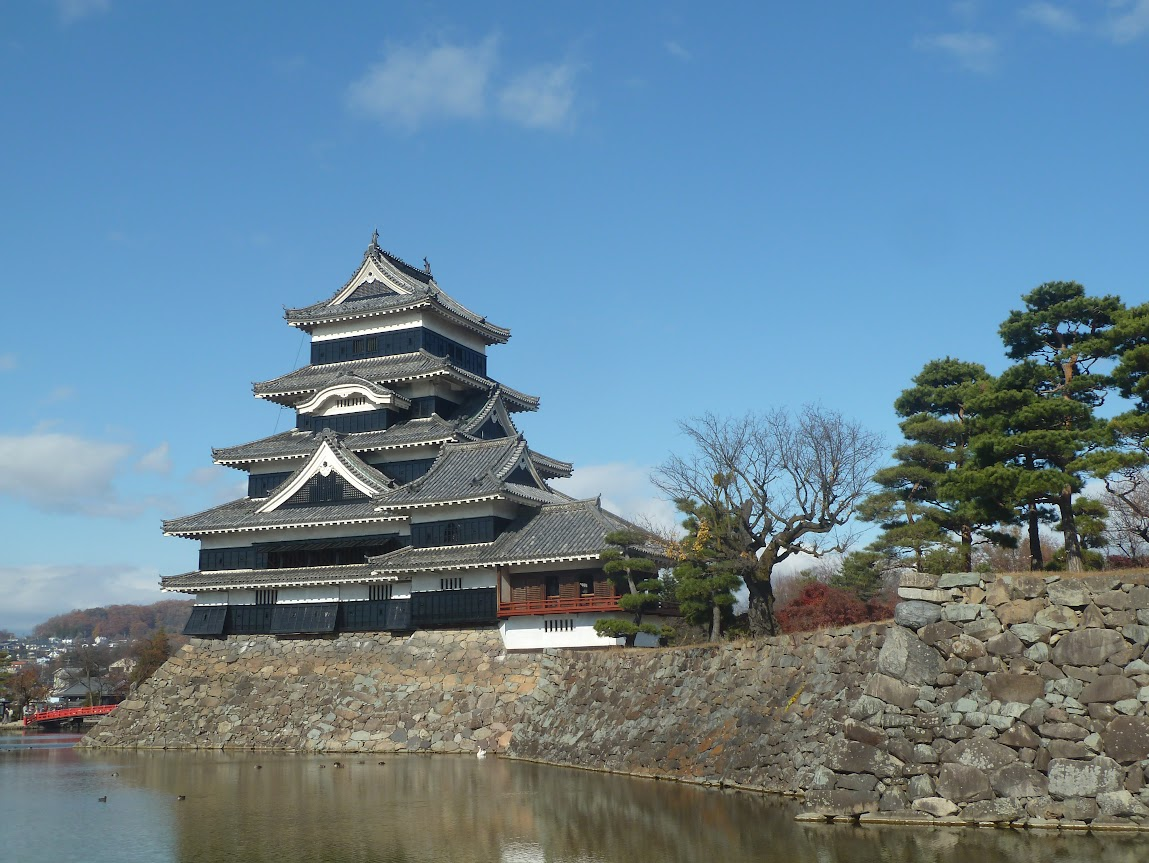
In 1872, under the orders of the Meiji government, all former feudal fortification were to be destroyed. However the Crow Castle managed to avert its fate when an influential figure from Matsumoto, Ichikawa Ryozo, alongside with other residents campaigned to save the structure. Their efforts were rewarded when the tower was acquired by the city government.
Finally, following the end of World War II, work resumed to convert the castle grounds into a public park, providing today’s residents and visitors a place of respite under the shadow of its impressive storied past.